
Condition
Shoulder Pain
Pain, weakness, or restricted motion in the shoulder — from overhead sports, swimming, throwing, or everyday overuse.
Common symptoms
- —Pain with overhead reaching or lifting
- —Weakness or a sense of instability in the shoulder
- —Night pain that disrupts sleep
- —Restricted range of motion
What causes it
- —Rotator cuff irritation or weakness
- —Repetitive overhead load from sport or activity
- —Postural factors contributing to impingement
How we diagnose it
- —A history of when the pain started and which activities — overhead reaching, throwing, swimming — reproduce it
- —Orthopedic testing of the rotator cuff, labrum, and shoulder stability
- —A screen of scapular and thoracic spine mechanics, since posture and shoulder-blade control often contribute
- —A check of the neck as a potential source of referred shoulder symptoms
Our treatment approach
A thorough shoulder and shoulder-girdle movement assessment
Hands-on treatment to reduce pain and restore mobility
A progressive strengthening plan for the rotator cuff and scapular stabilizers
Sport-specific return-to-activity guidance
Recovery timeline
Every case is different — this is a general guide, not a guarantee.
Weeks 1–2: Reduce pain, protect the joint
Treatment focuses on calming irritation and restoring pain-free range of motion, especially for overhead reaching and sleeping positions.
Weeks 2–8: Rebuild strength and control
A progressive strengthening program for the rotator cuff and scapular stabilizers addresses the weakness or instability behind the pain.
Weeks 8+: Return to overhead activity
Sport-specific movements — throwing, swimming, lifting overhead — are reintroduced gradually, with strength and mechanics confirmed before full return.
What to expect at your first visit
- —A discussion of your activity, sport, and how the pain affects daily movement
- —A shoulder and shoulder-girdle movement exam
- —Hands-on treatment to begin restoring pain-free mobility, when appropriate
- —Guidance on which movements to modify while you recover
Self-care between visits
- —Avoid sleeping directly on the painful shoulder
- —Modify or temporarily reduce overhead activity rather than stopping all movement
- —Ice the shoulder after activity if it's inflamed
- —Pay attention to posture during desk work, since a rounded upper back can aggravate shoulder mechanics
FAQs
Could this be a rotator cuff tear?
It's possible — our exam will help determine whether conservative care is appropriate or an imaging/specialist referral is warranted.
How long until I can return to overhead sports?
It varies by cause and severity; we'll give you a realistic timeline once we've assessed the shoulder.
Is it normal for shoulder pain to wake me up at night?
Night pain is common with rotator cuff irritation and often improves as pain and inflammation settle with treatment and sleep-position adjustments.
Can poor posture cause shoulder pain?
Yes — a rounded upper back and forward shoulder posture can alter shoulder mechanics and contribute to impingement-type pain over time.
Do I need an MRI before starting treatment?
Usually not — most shoulder pain can be evaluated clinically first, with imaging reserved for cases that don't respond to conservative care or show signs of a more significant injury.
What's the difference between impingement and instability?
Impingement involves irritation of tissue as it's pinched during overhead motion, while instability involves excessive movement in the joint itself — the exam and treatment approach differ between the two.
Can shoulder pain be related to my neck?
Yes — neck issues can refer pain into the shoulder, which is why we screen the neck as part of a thorough shoulder evaluation.
Is it safe to keep lifting weights with shoulder pain?
Often yes with modification — we'll help identify which lifts or ranges of motion to adjust while the shoulder recovers.
Will shoulder pain go away without treatment?
Mild cases sometimes resolve on their own, but recurring or worsening shoulder pain usually benefits from addressing the underlying strength or mobility deficit.
How do swimmers and throwers differ in their shoulder injuries?
Swimmers tend to develop overuse-related impingement from high repetition volume, while throwers more often show instability or labral irritation from the extreme ranges of motion involved — both benefit from a sport-specific assessment.
From the blog

Swimmer's Shoulder: When It's More Than Normal Soreness
Shoulder soreness is common in swimmers, but there's a line between normal training fatigue and an overuse injury that needs treatment. Here's how to tell the difference.
Read more →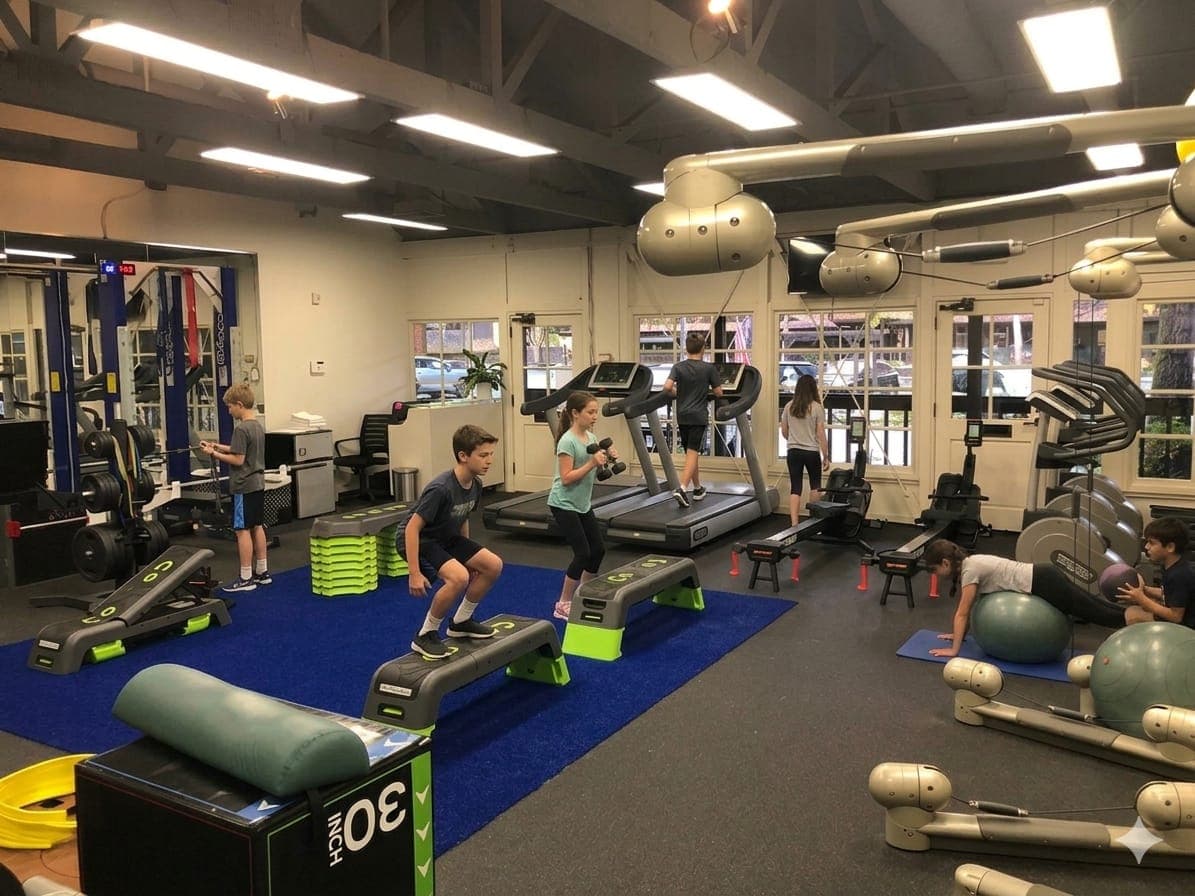
Chiropractic Care for Teens: What's Safe, What's Not
Youth athletes face growth-related pain that adults don't. Here's what safe, age-appropriate chiropractic care actually involves — and what to be cautious of.
Read more →
Return-to-Sport After Rotator Cuff Surgery: What a Good Rehab Plan Looks Like
Getting cleared for surgery is the easy part. Here's what a structured, phase-based rehab plan looks like on the way back to overhead sport.
Read more →Ready to treat your shoulder pain?
Book an evaluation and get a plan built around your sport, your goals, and your schedule.