Surgery repairs the tendon. Rehab restores the shoulder.
Rotator cuff repair surgery fixes the torn tendon, but a torn tendon is rarely the whole story by the time someone gets to the operating room — surrounding muscles have usually weakened from months of compensating, and the whole shoulder girdle has often adapted around the injury in ways that don't just reverse themselves once the tendon is repaired. That's what a structured rehab plan is actually rebuilding, and it's why the work after surgery matters as much as the surgery itself for getting back to overhead sport.
Early phase: protect the repair, restore basic motion
Right after surgery, the priority is protecting the repair while carefully restoring passive range of motion under your surgeon's specific protocol. This phase is almost entirely about following that protocol precisely — the tendon-to-bone healing happening at this stage has a biological timeline, and pushing ahead of it, even with the best intentions, risks compromising the repair.
Hands-on treatment during this phase, when appropriate, focuses on managing stiffness and compensation patterns building up elsewhere — the neck and upper back often tighten up from weeks of guarding the shoulder — without loading the repair itself.
Middle phase: rebuild strength and control
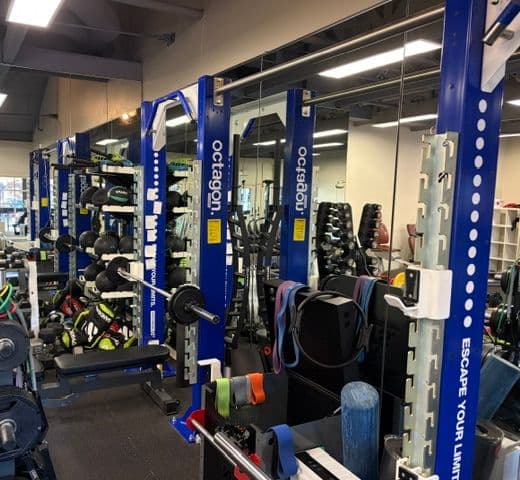
As the tendon heals and your surgeon clears more active movement, the focus shifts to progressive strengthening — starting with basic rotator cuff and scapular stabilizer activation and building toward heavier, more functional loading. This is typically the longest phase of rehab, and it's where a lot of the real work of return-to-sport for shoulder injuries happens.
It's also the phase most prone to two opposite mistakes: rushing intensity before strength benchmarks are met, or staying too conservative out of lingering fear of re-injury, which leads to persistent weakness and stiffness that outlasts the biological healing timeline.
Late phase: sport-specific loading and return benchmarks
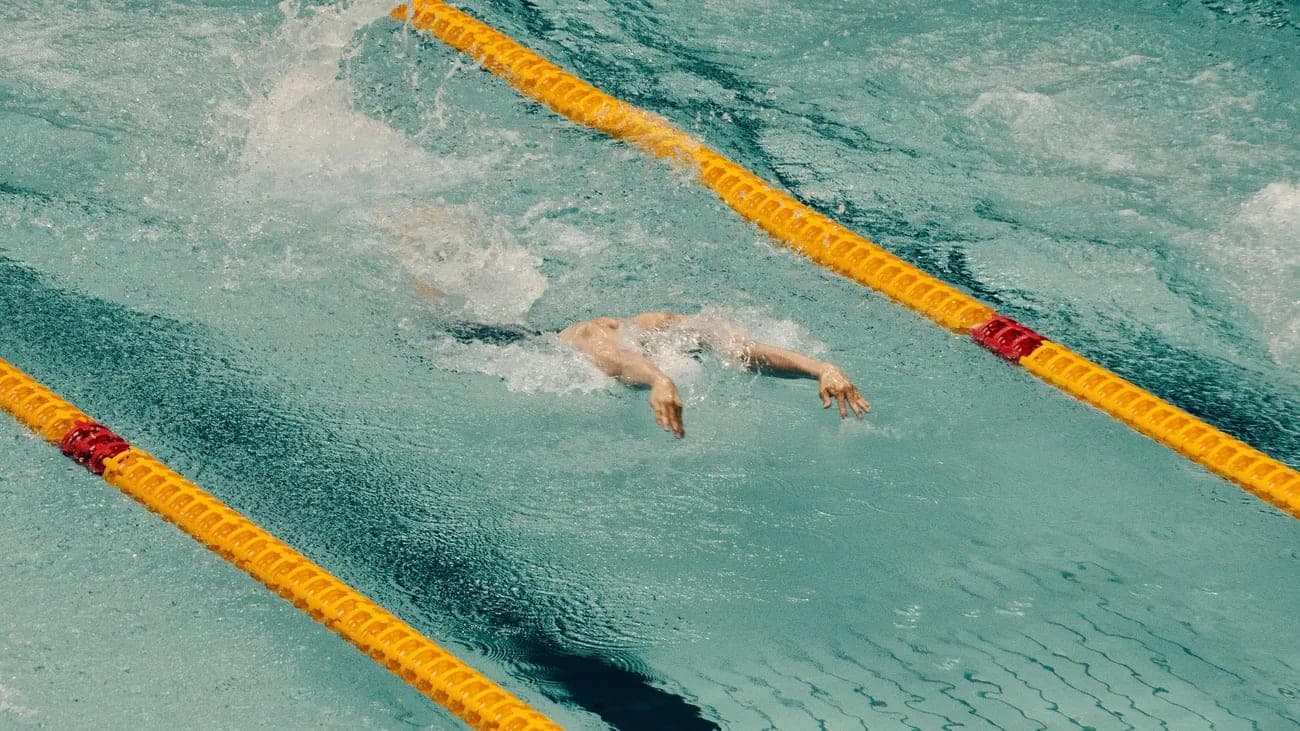
The final phase reintroduces the specific demands of your sport — throwing, swimming, overhead lifting — gradually and under load, rather than jumping straight back into full competition. A good rehab plan uses objective benchmarks here: specific strength ratios between the injured and uninjured shoulder, pain-free range of motion through sport-specific positions, and demonstrated control under fatigue, not just "it feels okay today."
Return-to-sport clearance based on these benchmarks, rather than a fixed calendar date, is one of the biggest predictors of not re-injuring the same shoulder within the first season back.
What makes a rehab plan "good" versus generic
A few features separate a well-built rotator cuff rehab plan from a generic exercise handout:
It's coordinated with your surgeon's specific protocol, not a standardized template applied regardless of your procedure or tear size.
It progresses based on objective milestones, not simply time elapsed since surgery — two patients at eight weeks post-op can be at very different points in their actual recovery.
It addresses the whole shoulder girdle, including scapular control and thoracic spine mobility, not just the repaired tendon in isolation.
It includes a defined return-to-sport benchmark, so the decision to go back to full activity is based on demonstrated readiness rather than guesswork or impatience.
The bottom line
Getting cleared for surgery and getting the tendon repaired is the starting line, not the finish line, for returning to overhead sport. A structured, phase-based rehab plan — coordinated with your surgeon, progressed by objective benchmarks rather than the calendar, and addressing the whole shoulder girdle — is what actually determines whether you get back to full activity with confidence or spend the next season managing lingering weakness and hesitation. Our Post-Surgical Rehab Program is built around exactly that structure, from first cleared movement through a defined return-to-sport benchmark.