
Condition
Running Injuries
Shin splints, IT band pain, plantar fasciitis, Achilles tendinopathy, and other overuse injuries that come with training volume.
Common symptoms
- —Pain that builds gradually with mileage
- —Sharp pain at the outside of the knee, shin, or heel
- —Stiffness that eases with warm-up but returns after running
- —Pain that changes your gait or stride length
What causes it
- —Training load increased faster than the body could adapt
- —Biomechanical inefficiencies in gait or running form
- —Muscular imbalances or weakness contributing to compensation
How we diagnose it
- —A training history covering recent mileage changes, terrain, footwear, and race goals
- —A running gait and movement assessment to identify mechanical contributors
- —Palpation and functional testing of the specific painful structure — shin, IT band, heel, or Achilles
- —A strength screen to identify weaknesses commonly linked to your specific injury pattern
Our treatment approach
A running gait and biomechanical assessment
Hands-on treatment for the injured tissue and its contributing causes
A graded return-to-run plan with defined mileage milestones
Race-focused rehab is available through our Runner Recovery Program
Recovery timeline
Every case is different — this is a general guide, not a guarantee.
Weeks 1–2: Reduce irritation, keep moving
Training volume is adjusted rather than stopped entirely, while hands-on treatment addresses the injured tissue directly.
Weeks 2–6: Address the root cause
Strength work targets the gait or mechanical contributors identified in your assessment, while mileage is reintroduced gradually.
Weeks 6+: Structured return to training
Mileage and intensity progress toward your race or training goals on defined benchmarks, reducing the risk of the same injury recurring.
What to expect at your first visit
- —A conversation about your training, mileage, footwear, and goals
- —A gait and movement assessment to find what's driving the injury
- —Hands-on treatment for the affected tissue, when appropriate, the same day
- —A modified training plan so you're not starting from zero
Self-care between visits
- —Reduce mileage or intensity rather than stopping completely, unless advised otherwise
- —Cross-train with low-impact activity to maintain fitness while you recover
- —Ice the painful area after activity if it flares up
- —Track when and where the pain occurs during a run — it helps narrow down the cause
FAQs
Do I have to stop training for my race?
In most cases we can build a modified plan that keeps you moving toward race day.
Should I get new shoes first?
Footwear can be a factor, but it's rarely the whole story — we'll look at your gait and training load too.
How do I know if pain is a serious injury or normal training soreness?
Soreness typically eases within a day or two and doesn't change your gait; pain that persists, worsens, or alters your stride is worth having evaluated.
Can running form or gait really cause injuries?
Yes — inefficient gait patterns can overload specific tissues over thousands of repetitions, which is why a gait assessment is part of our evaluation.
Should I cross-train while I recover?
Often yes — low-impact cross-training can maintain cardiovascular fitness while reducing load on the injured tissue.
How much should I cut back my mileage?
It depends on the injury and severity; we'll give you specific, individualized guidance rather than a generic percentage.
Can strength training prevent running injuries?
Yes — addressing the strength deficits behind common injury patterns is one of the most effective ways to reduce recurrence.
Is it normal for pain to move to a different location as I heal?
Sometimes — as one compensation resolves, another area that was picking up the slack can become symptomatic, which is why we track the whole kinetic chain, not just the original spot.
Do I need custom orthotics?
Not always — some runners benefit from them, but many respond just as well to gait correction and strength work first.
How do I know when it's safe to resume full training?
We use defined mileage and pain-free movement benchmarks, not just how you feel on a given day, to guide the return to full training.
From the blog
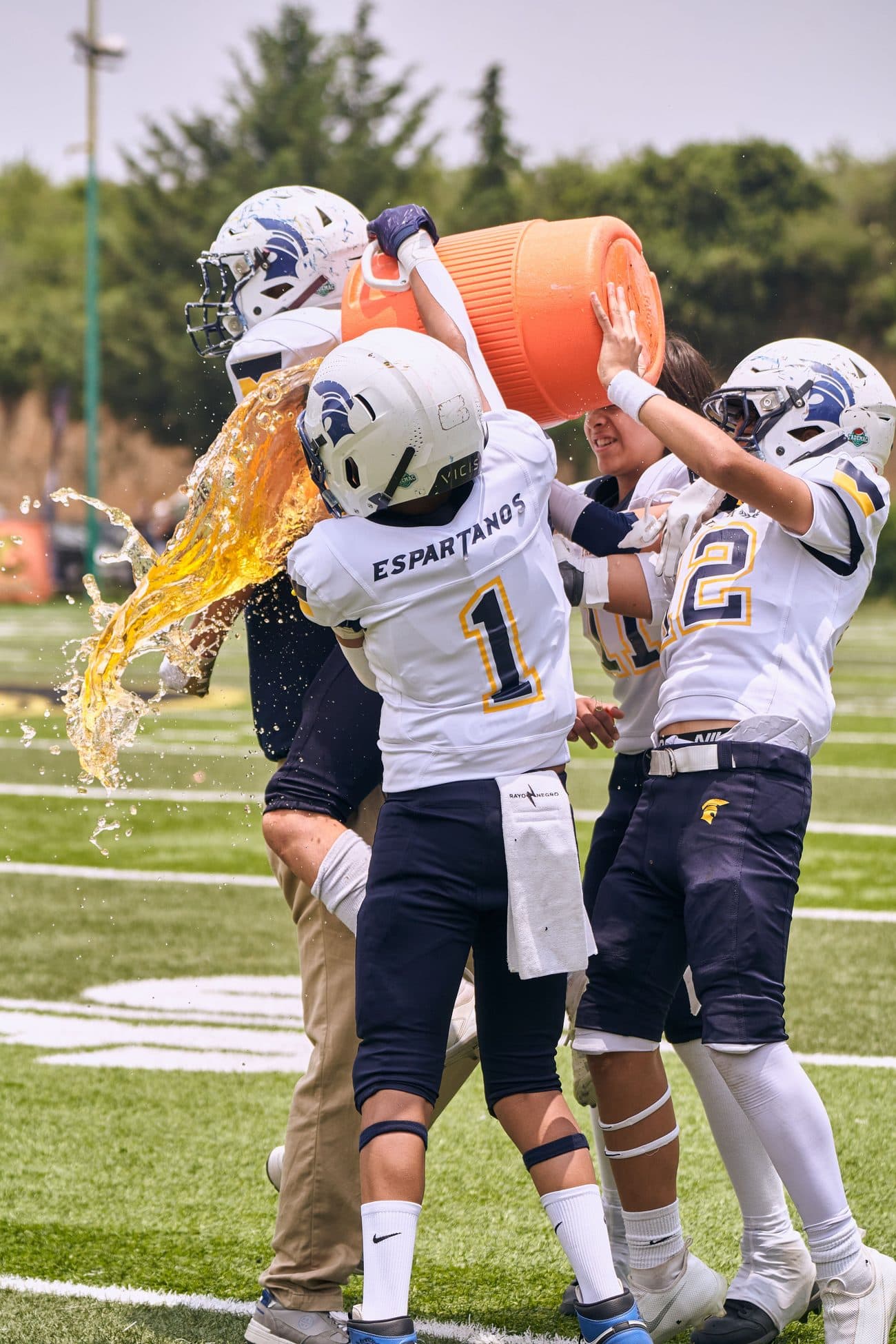
Youth Fall Sports Injuries: What Parents Should Watch For
Football, soccer, cross country, and volleyball each load a young athlete's body differently. Here's what the most common fall sports injuries look like and when they need more than rest.
Read more →
Should Runners See a Chiropractor or a Physical Therapist?
Both can help with running injuries, and the two approaches overlap more than people expect. Here's how to think about which to see first — or whether you need both.
Read more →
Should You Rest or Stay Active With an Injury?
Complete rest feels safe, but it's rarely the fastest way back. Here's how we actually think about activity modification after an injury.
Read more →
A Runner's Guide to Returning After Shin Splints
Coming back too fast is the single biggest reason shin splints turn into a recurring problem. Here's a smarter way to build mileage back up.
Read more →Ready to treat your running injuries?
Book an evaluation and get a plan built around your sport, your goals, and your schedule.