
Program
Runner Recovery Program
Get back to pain-free mileage without losing months of training.

Whether it's shin splints, IT band pain, or a nagging Achilles, this program identifies the mechanical cause behind the injury — not just the sore spot — and builds a return-to-run plan that keeps you moving instead of shutting training down completely.
Who it's for
- —Runners training for a race with a nagging injury
- —Anyone told to 'just stop running' without a real plan
- —Runners who keep re-injuring the same area season after season
What's included
- —Running gait and biomechanical assessment
- —Hands-on treatment for the injured area and its contributing causes
- —A graded return-to-run plan with mileage benchmarks
- —Strength work targeting the weaknesses driving the injury
Outcomes we target
Program timeline
Every case is different — this is a general guide, not a guarantee.
Weeks 1–2: Reduce irritation
Hands-on treatment addresses the injured tissue directly while mileage is adjusted rather than stopped entirely.
Weeks 2–6: Rebuild capacity
Strength work targets the gait or mechanical weaknesses identified in your assessment as mileage is gradually reintroduced.
Weeks 6+: Return to race training
Mileage and intensity build back toward your race goals on defined benchmarks, with the mechanical cause addressed to reduce repeat injury.
What to expect at your first visit
- —A discussion of your training history, mileage, and race goals
- —A running gait and biomechanical assessment
- —Hands-on treatment for the injured area, when appropriate, the same day
- —A modified training plan so you're not starting from zero
Getting the most out of it
- —Reduce mileage or intensity rather than stopping completely, unless advised otherwise
- —Cross-train with low-impact activity to maintain fitness during recovery
- —Do your strength work consistently — it's usually the piece that prevents re-injury
- —Track where and when pain shows up during a run and report it at check-ins
FAQs
Do I have to stop running completely?
Usually not. We build a modified training plan around your injury so you keep your fitness while you recover.
I'm training for a race — can you work around my schedule?
Yes, tell us your race date and we'll build the recovery timeline around it.
How is this different from just resting until it feels better?
Rest alone often lets the injury return once you resume training, because it doesn't address the gait or strength issue that caused it — this program targets that root cause.
Will you look at my running form?
Yes — a gait and biomechanical assessment is a core part of the program, since form issues are a common driver of overuse injuries.
Can this help with recurring injuries, not just a current one?
Yes — if you keep re-injuring the same area season after season, addressing the underlying weakness or mechanical pattern is exactly what this program is built for.
Do I need to bring my running shoes to my visit?
It's helpful — bringing your current shoes and any recent training log gives us a clearer picture of your training load and gait.
What if I have a race in a few weeks?
Tell us your timeline at the first visit; we'll be upfront about what's realistic and build the plan around getting you to the start line as prepared as possible.
Is this only for competitive runners?
No — recreational runners training for their first 5K get the same benefit from addressing the mechanical cause of an injury as marathoners.
From the blog
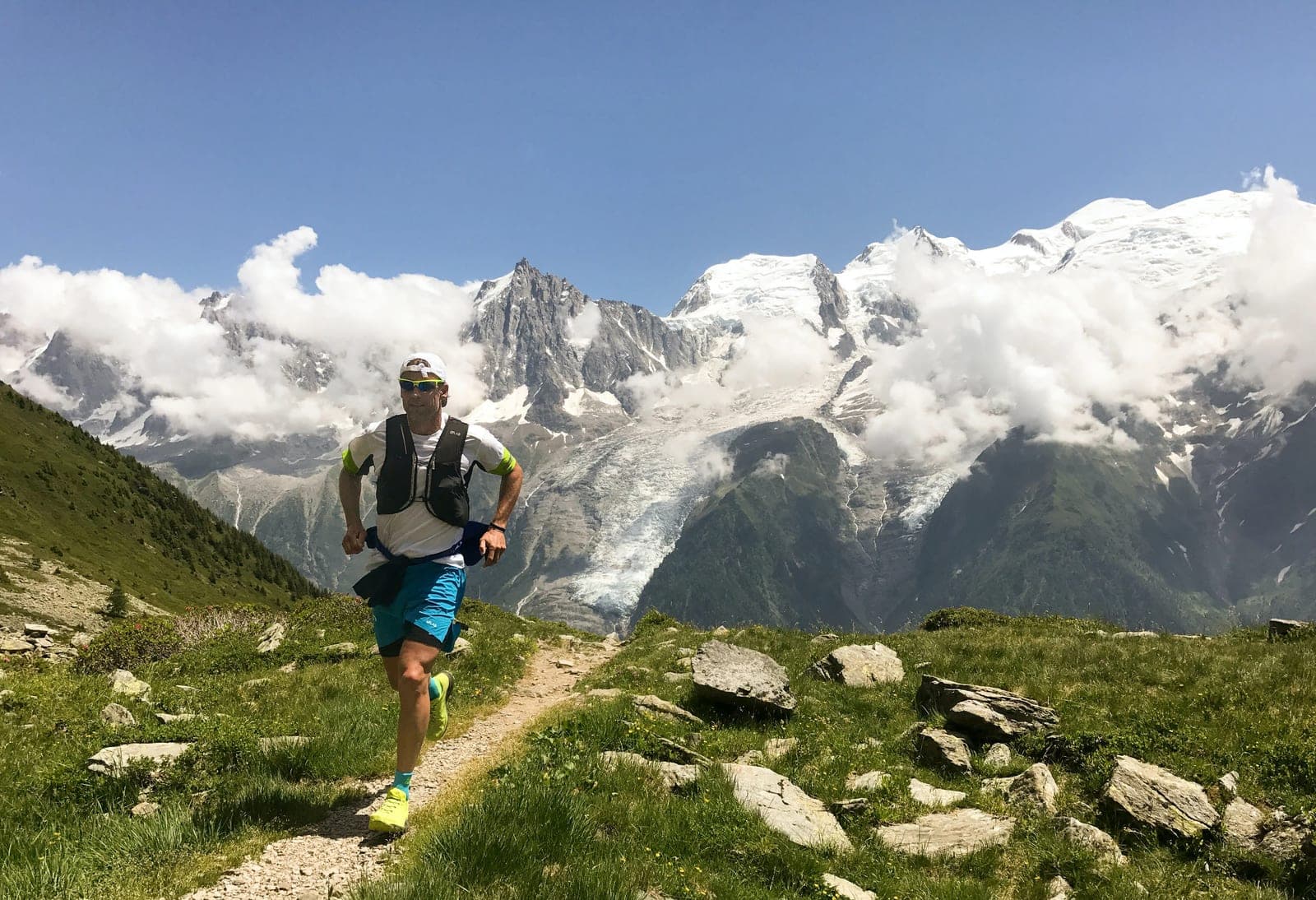
Should Runners See a Chiropractor or a Physical Therapist?
Both can help with running injuries, and the two approaches overlap more than people expect. Here's how to think about which to see first — or whether you need both.
Read more →
Should You Rest or Stay Active With an Injury?
Complete rest feels safe, but it's rarely the fastest way back. Here's how we actually think about activity modification after an injury.
Read more →A Runner's Guide to Returning After Shin Splints
Coming back too fast is the single biggest reason shin splints turn into a recurring problem. Here's a smarter way to build mileage back up.
Read more →Ready to start the Runner Recovery Program?
Book an evaluation and we'll map out your plan.