
Program
Youth Athlete Strength and Mobility Program
Keep growing athletes strong, mobile, and in the game.
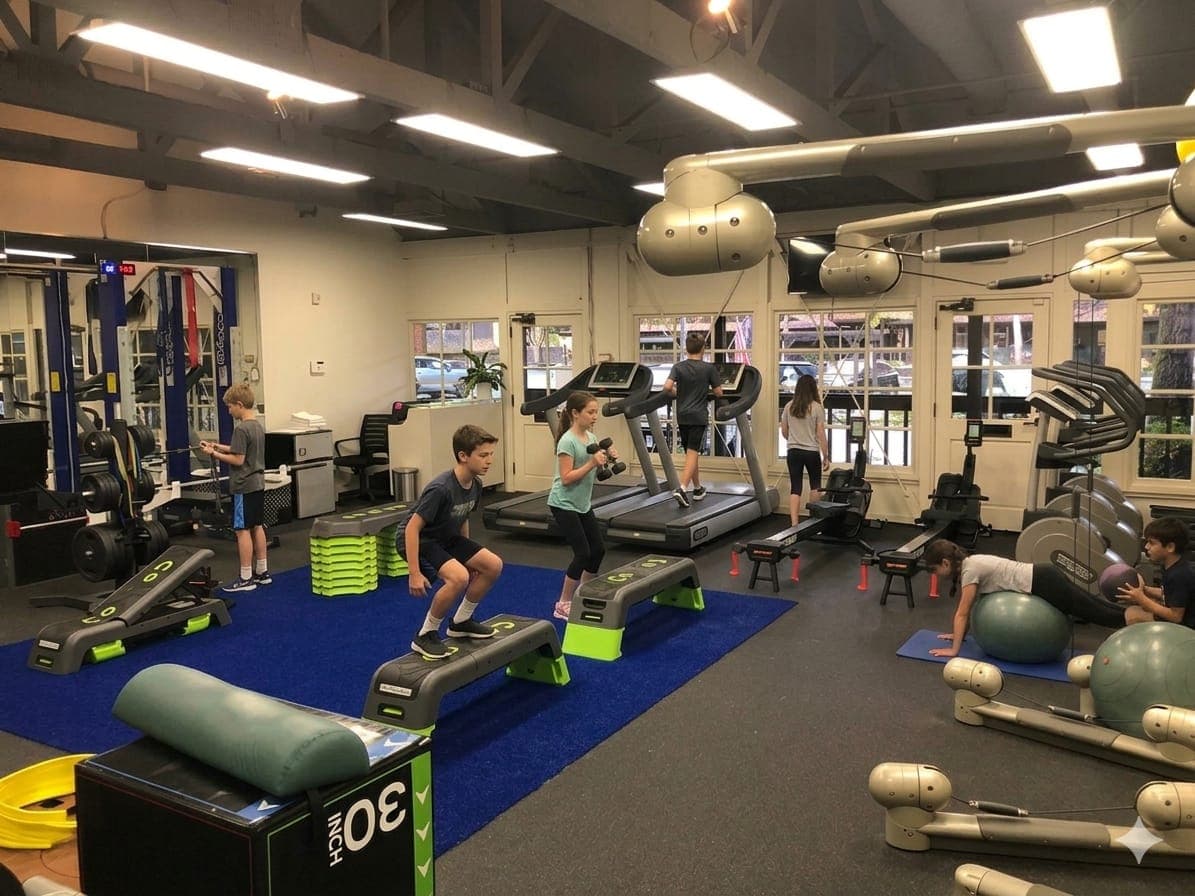
Young athletes face a unique set of challenges — growth-related pain, sport specialization, and a body that's changing faster than their skill level. This program addresses mobility and movement quality early, before small issues turn into missed seasons.
Who it's for
- —Youth athletes in club or school sports
- —Athletes dealing with growth-related knee, hip, or heel pain
- —Multi-sport or single-sport athletes with movement asymmetries
What's included
- —Youth-specific movement assessment
- —Age-appropriate hands-on treatment
- —A mobility and stability program parents can help reinforce at home
- —Communication with coaches or athletic trainers when helpful
Outcomes we target
Program timeline
Every case is different — this is a general guide, not a guarantee.
First visit: Assessment
A youth-specific movement assessment identifies growth-related pain sources and any movement asymmetries between sides or sports.
Weeks 1–6: In-season management
Age-appropriate hands-on treatment and a home mobility program are built around the athlete's practice and game schedule, not against it.
Ongoing: Between-season check-ins
Periodic reassessment during growth spurts or sport transitions catches new asymmetries before they turn into missed playing time.
What to expect at your first visit
- —A conversation with the athlete (and parent) about their sport, schedule, and any current pain
- —A youth-specific movement assessment
- —Age-appropriate hands-on treatment, when appropriate
- —A simple home program parents can help reinforce
Getting the most out of it
- —Growth-related pain often responds well to consistent, simple mobility work rather than complete rest from sport
- —Keep the home program short and consistent — a few minutes most days beats occasional longer sessions
- —Flag any pain that's worse on one side, since asymmetries are often what we're screening for
- —Loop in the coach or athletic trainer if the athlete's schedule is heavy, so activity can be managed around recovery
FAQs
What age range does this program cover?
Generally middle schoolers (6th–8th grade) and high schoolers, with a summer program for college athletes home for break. Treatment and communication are adjusted for the athlete's age and sport.
Do parents need to be in the room?
No, parents are free to drop off their athletes.
Is growth-related pain something to worry about?
It's common during growth spurts and usually manageable with the right mobility and load guidance, but persistent or worsening pain is worth having evaluated.
My child plays one sport year-round — is that a concern?
Sport specialization can increase overuse injury risk, which is part of why we screen for movement asymmetries and build in mobility work specific to the demands of their sport.
Will treatment interfere with practice or games?
We build the plan around the athlete's schedule, not against it, and will tell you if a temporary modification to activity is needed.
Can this help prevent injuries, not just treat existing pain?
Yes — many families start this program proactively, especially heading into a new season or after a growth spurt, to catch asymmetries before they become injuries.
Do you communicate with coaches or athletic trainers?
When it's helpful and with your permission, yes — coordinating with the people who see the athlete daily can make the plan more effective.
What if my child doesn't have a specific injury, just seems 'tight'?
That's a common and appropriate reason to start — general tightness or restricted movement is often what we address before it becomes a specific injury.
From the blog
Youth Fall Sports Injuries: What Parents Should Watch For
Football, soccer, cross country, and volleyball each load a young athlete's body differently. Here's what the most common fall sports injuries look like and when they need more than rest.
Read more →Chiropractic Care for Teens: What's Safe, What's Not
Youth athletes face growth-related pain that adults don't. Here's what safe, age-appropriate chiropractic care actually involves — and what to be cautious of.
Read more →Ready to start the Youth Athlete Strength and Mobility Program?
Book an evaluation and we'll map out your plan.