
Condition
Sciatica
Sharp, radiating pain that travels from the low back or glute down the leg — often worse with sitting, standing, or certain movements.
Common symptoms
- —Shooting or burning pain down the back of the leg
- —Numbness or tingling in the leg or foot
- —Pain that worsens with prolonged sitting
- —Low back pain accompanying leg symptoms
What causes it
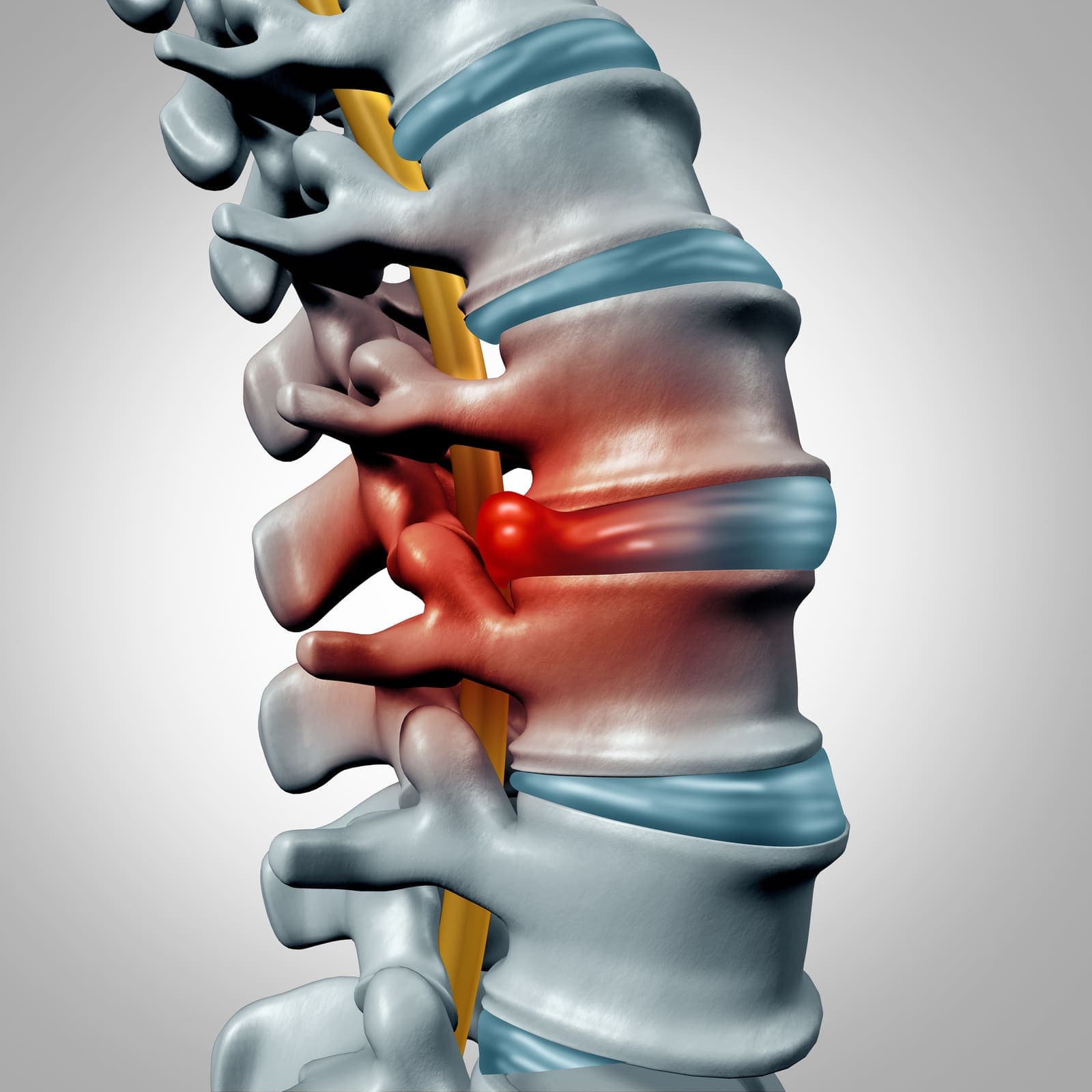
- —Disc irritation or herniation pressing on a nerve root
- —Piriformis muscle tightness irritating the sciatic nerve
- —Joint restriction or inflammation in the low back
How we diagnose it
- —A detailed history covering when the pain started, what makes it better or worse, and whether it followed an injury or built up gradually
- —Orthopedic and neurological testing — straight leg raise, reflexes, strength, and sensation — to identify which nerve root, if any, is involved
- —A movement assessment of the lumbar spine and hips to find restrictions contributing to the nerve irritation
- —Imaging such as X-ray or MRI is reserved for cases with red-flag symptoms or that fail to improve with conservative care, not ordered routinely
Our treatment approach
A thorough movement and neurological exam to locate the source of irritation
Hands-on treatment to reduce nerve irritation and restore movement
A home program to manage symptoms between visits
Ongoing reassessment to track progress and adjust the plan
Recovery timeline
Every case is different — this is a general guide, not a guarantee.
Weeks 1–2: Calming the irritation
The initial focus is reducing nerve irritation and pain intensity through hands-on treatment and short-term activity modification, so you can sit, stand, and sleep more comfortably.
Weeks 2–6: Restoring movement
As irritation settles, treatment shifts toward regaining lumbar and hip mobility while a graded strengthening program begins to support the low back.
Weeks 6–12: Building resilience
Strength and activity tolerance progress toward your sport or daily demands, with attention to the contributing factors so the irritation doesn't return once you're back to full activity.
What to expect at your first visit
- —A conversation about your pain history, activity level, and goals
- —A physical and neurological exam to identify the source of nerve irritation
- —Hands-on treatment, when appropriate, starting the same day
- —A clear explanation of what we found and what your plan looks like going forward
Self-care between visits
- —Avoid prolonged sitting — get up and move every 30–45 minutes
- —Gentle walking is usually better tolerated than bed rest
- —Ice or heat can help manage symptoms between visits; we'll tell you which is more useful for your case
- —Avoid aggressive stretching into pain, particularly deep forward bends, until you've been cleared to progress
FAQs
Is sciatica the same as a herniated disc?
Not always — a herniated disc is one possible cause, but sciatica can come from several sources, which is why an accurate exam matters.
Should I rest or stay active?
Complete rest is rarely the answer — we'll guide you on which movements help and which to avoid while you heal.
What does sciatic nerve pain actually feel like?
Most people describe a sharp, burning, or electric sensation that travels from the low back or glute down the back of the leg, sometimes with numbness or tingling in the foot.
Can sciatica go away on its own?
Mild cases sometimes settle with time and activity modification, but recurring or worsening sciatica usually needs a proper exam to address the underlying cause.
Is it safe to exercise with sciatica?
Generally yes — the right kind of movement, guided by an exam, is usually more helpful than avoiding activity altogether.
When should I be concerned about sciatica symptoms?
Loss of bladder or bowel control, progressive leg weakness, or numbness in the groin area are red flags that warrant immediate medical attention rather than conservative care.
Can a chiropractor help with sciatica?
Yes — hands-on treatment aimed at the joint and soft tissue restrictions contributing to nerve irritation is one of the most common and effective conservative approaches.
How long does sciatica typically last?
It varies by cause and severity; many patients notice meaningful improvement within a few weeks of starting care, though full resolution can take longer for more involved cases.
Will I need surgery for sciatica?
Most cases respond well to conservative care and never require surgery — it's typically reserved for cases with significant, progressive nerve involvement.
Can poor posture or prolonged sitting cause sciatica?
Sitting posture can aggravate existing irritation and is often a contributing factor, but it's rarely the sole cause — an exam helps identify what's really driving it.
Ready to treat your sciatica?
Book an evaluation and get a plan built around your sport, your goals, and your schedule.