
Condition
Low Back Pain
From a stiff morning ache to pain that stops you mid-workout, low back pain is one of the most common reasons active adults come to see us.
Common symptoms
- —Stiffness that's worse first thing in the morning
- —Pain with bending, lifting, or twisting
- —A dull ache that flares after long sitting or standing
- —Muscle tightness or spasm across the low back
What causes it
- —Joint restriction or muscle imbalance from repetitive movement patterns
- —Disc-related irritation
- —Deconditioning combined with a sudden increase in activity
How we diagnose it
- —A history of when and how the pain started, including any recent changes in training, work, or activity
- —A movement-based exam to see which positions and motions reproduce or relieve the pain
- —Orthopedic testing to differentiate joint, disc, and muscular sources of pain
- —A screen for red-flag signs that would warrant imaging or referral, since most low back pain doesn't require imaging up front
Our treatment approach
A movement-based exam to identify what's driving the pain
Hands-on treatment to restore motion and reduce pain
A strength and mobility plan to address the underlying cause
Guidance on returning to training or sport without setbacks
Recovery timeline
Every case is different — this is a general guide, not a guarantee.
Weeks 1–2: Reduce pain and protect the area
Early visits focus on calming pain and restoring basic movement — bending, sitting, and standing — with hands-on treatment and activity guidance.
Weeks 2–4: Rebuild movement and control
As pain settles, we introduce corrective exercise to address the muscle imbalances or movement patterns behind the flare-up.
Weeks 4–8: Return to training
Strength and load tolerance are progressed toward your normal training or work demands, with the goal of preventing the same flare-up from recurring.
What to expect at your first visit
- —A discussion of your pain, training history, and daily demands on your back
- —A hands-on and movement exam to pinpoint what's driving the pain
- —Treatment focused on the most irritated area, when appropriate, the same day
- —A realistic explanation of what to expect over the coming weeks
Self-care between visits
- —Keep moving within a pain-tolerable range rather than resting completely
- —Break up long sitting or standing periods with short walks
- —Use ice for acute flare-ups and heat for general stiffness, unless we advise otherwise
- —Avoid heavy lifting or twisting under load until you've regained pain-free mobility
FAQs
Do I need imaging before I can be treated?
Most low back pain doesn't require imaging up front — we'll recommend it if your exam points to something that warrants it.
How many visits will I need?
It depends on how long you've had the pain and what's driving it — we'll give you a realistic timeline after your first visit.
Is it safe to exercise with low back pain?
In most cases, yes — the right kind of movement supports recovery better than complete rest, though certain motions may need to be modified temporarily.
What's the difference between muscular and disc-related back pain?
Muscular pain tends to be localized and worsens with specific movements or palpation, while disc-related pain often includes leg symptoms or is aggravated by sitting and bending — our exam helps tell the two apart.
Should I use ice or heat?
Ice tends to help more with acute flare-ups and inflammation, while heat is often better for general stiffness — we'll tell you which fits your situation.
Can low back pain come from something other than the spine?
Yes — hip, pelvic, or even core stability issues can refer pain to the low back, which is why a full movement exam matters, not just a look at the spine itself.
Is chiropractic care safe for chronic low back pain?
Yes — for most chronic low back pain, conservative, hands-on care combined with a strengthening program is a well-supported first-line approach.
What should I avoid doing while my back heals?
Avoid heavy lifting, twisting under load, and prolonged static positions until you've regained pain-free mobility; we'll guide specific modifications based on your exam.
Will my low back pain come back after treatment?
Addressing the underlying cause — not just the flare-up — meaningfully reduces the chance of recurrence, which is why our plans include a strength and mobility component, not just symptom relief.
Is a stiff back in the morning something to worry about?
Occasional morning stiffness that eases with movement is common, but stiffness that persists or worsens over time is worth having evaluated.
From the blog

Youth Fall Sports Injuries: What Parents Should Watch For
Football, soccer, cross country, and volleyball each load a young athlete's body differently. Here's what the most common fall sports injuries look like and when they need more than rest.
Read more →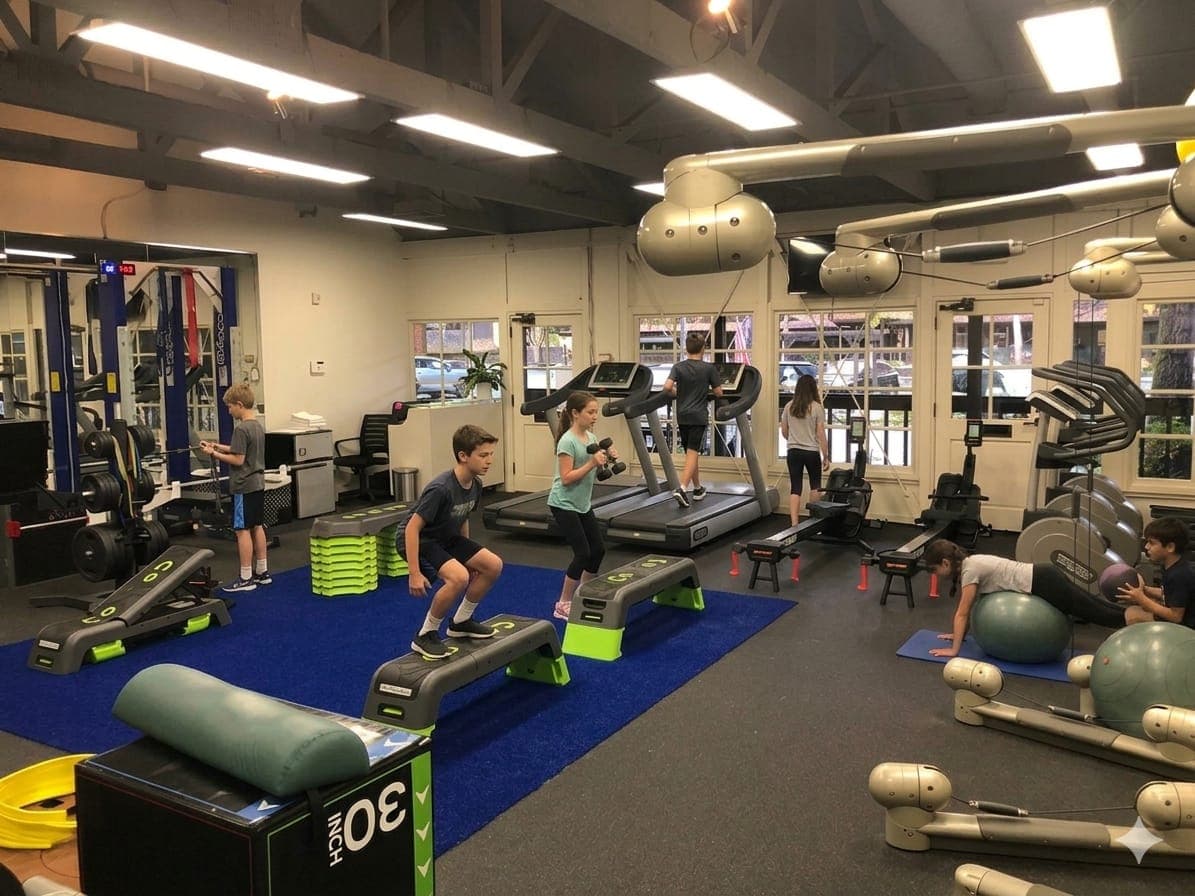
Chiropractic Care for Teens: What's Safe, What's Not
Youth athletes face growth-related pain that adults don't. Here's what safe, age-appropriate chiropractic care actually involves — and what to be cautious of.
Read more →
Should Runners See a Chiropractor or a Physical Therapist?
Both can help with running injuries, and the two approaches overlap more than people expect. Here's how to think about which to see first — or whether you need both.
Read more →
Golfer's Low Back Pain: 5 Mobility Drills That Actually Help
Most golf-related low back pain traces back to a mobility restriction somewhere else in the chain. These five drills target the ones we see most often.
Read more →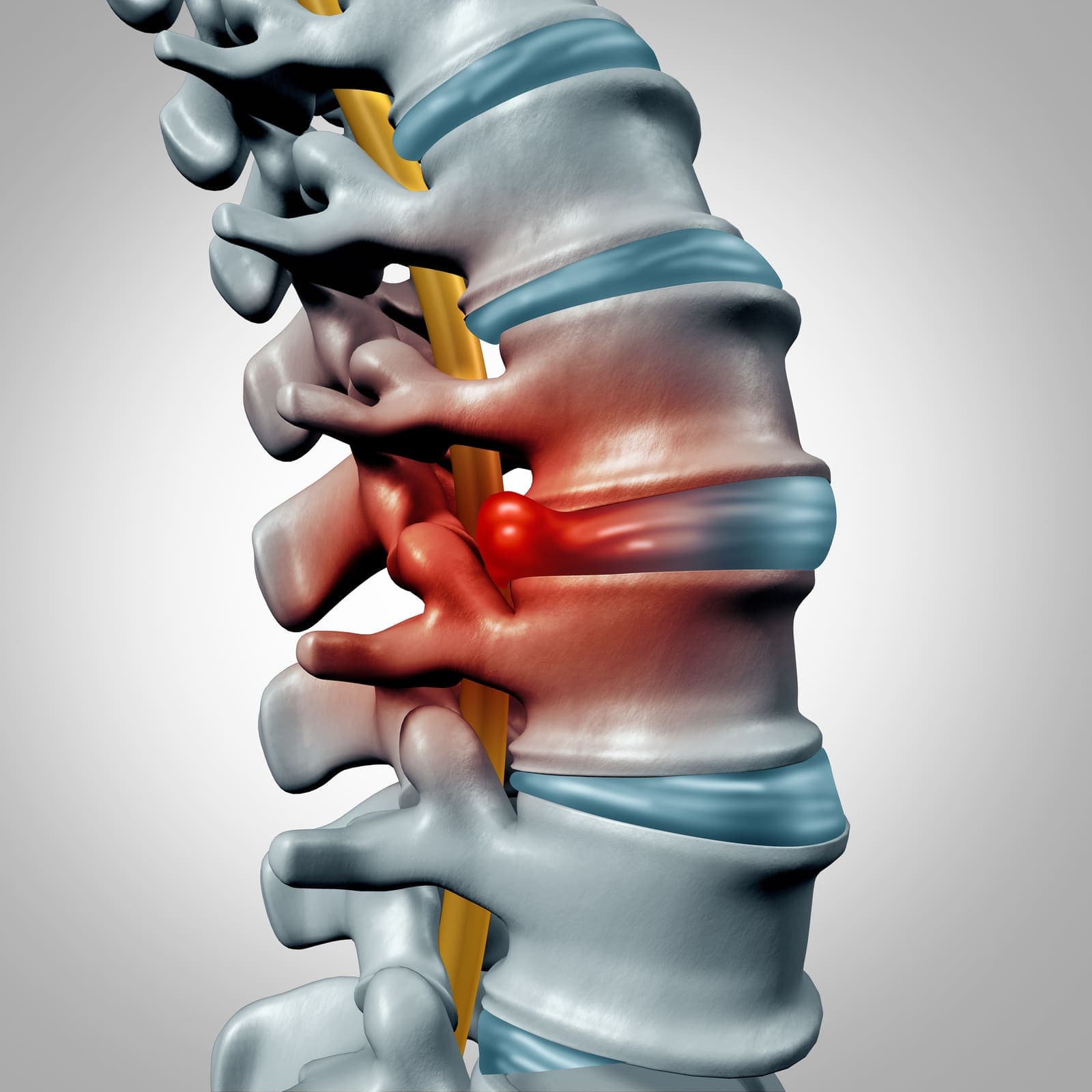
How Long Does Sciatica Take to Heal? A Chiropractor's Timeline
Sciatica recovery isn't one-size-fits-all, but most cases follow a predictable pattern. Here's what that timeline actually looks like.
Read more →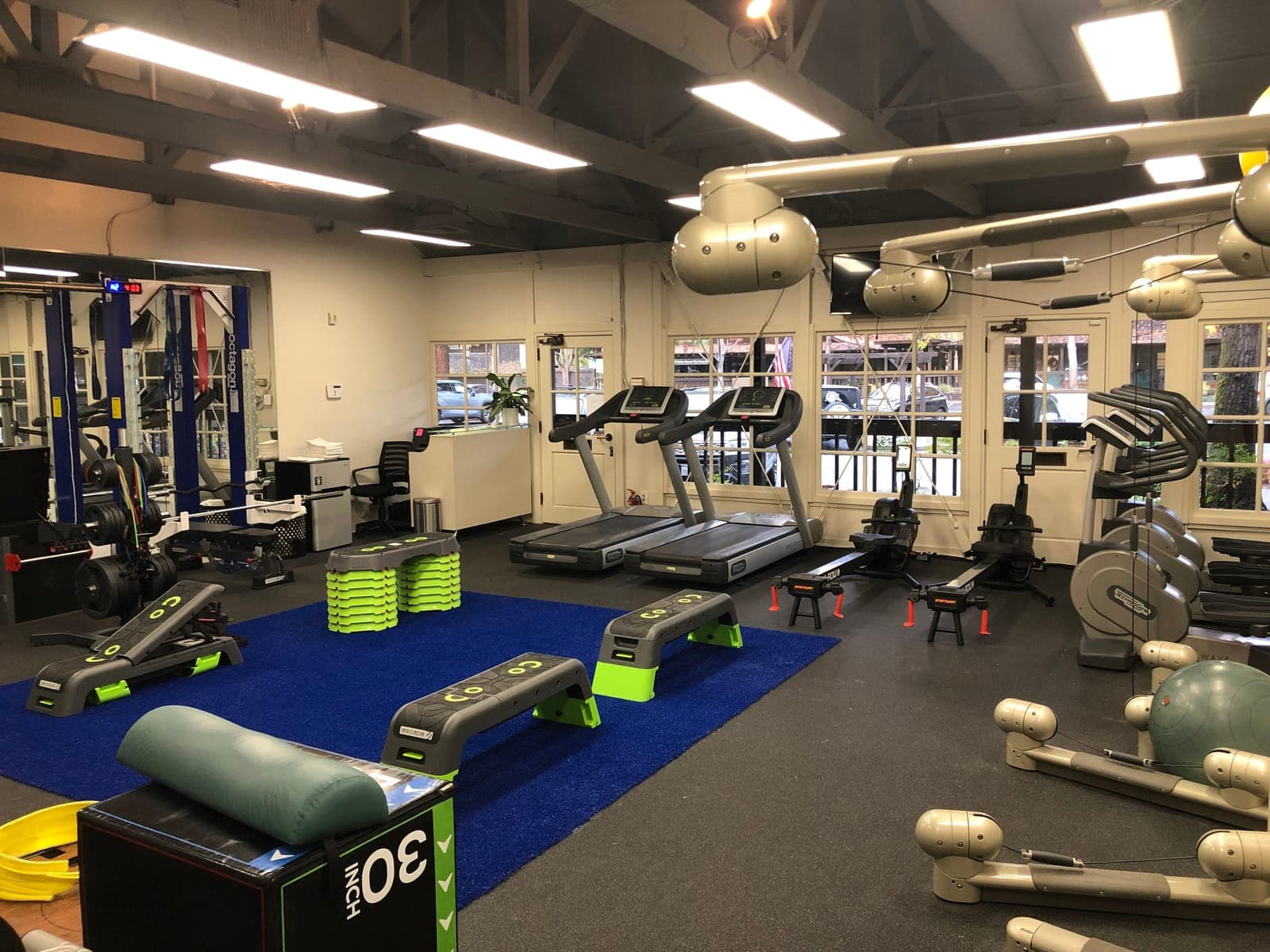
Why Sitting All Day Is Making Your Back Pain Worse
A desk job and a weekend workout don't cancel each other out. Here's what prolonged sitting actually does to your spine — and what to do about it.
Read more →Ready to treat your low back pain?
Book an evaluation and get a plan built around your sport, your goals, and your schedule.